What is mulch?
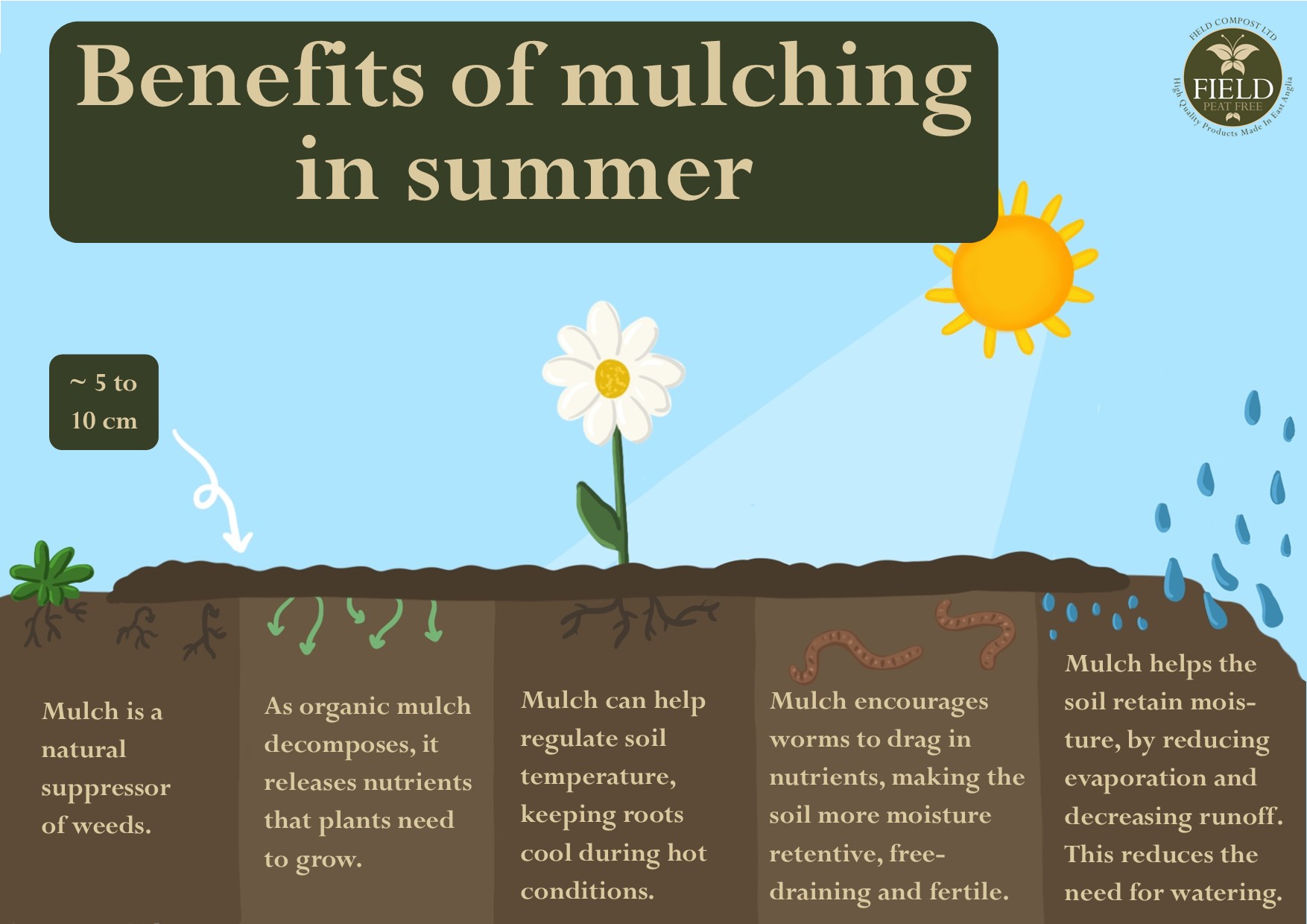
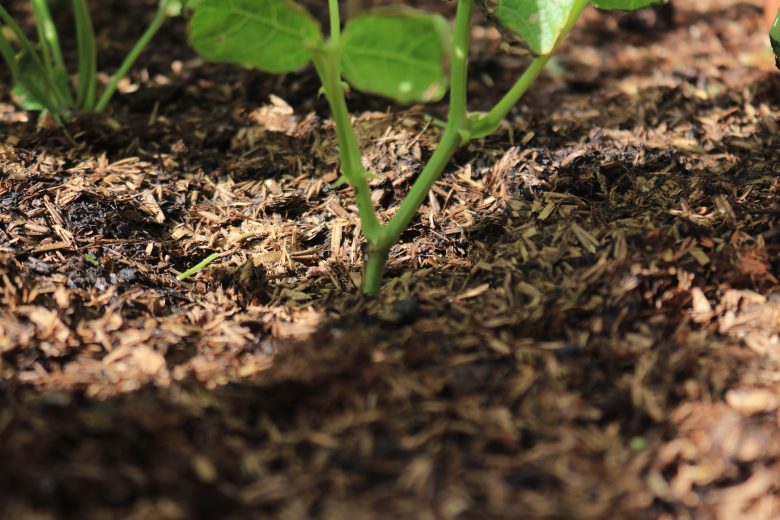
Mulching is the practice of spreading a thick layer of compost, bark, or manure matter across the surface of soil and around plants. Mulches can be applied around new plantings or to established beds and specimen plants.
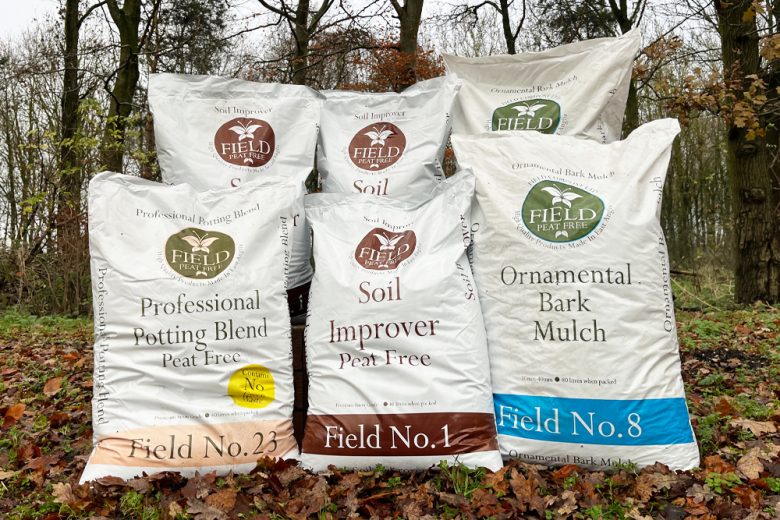
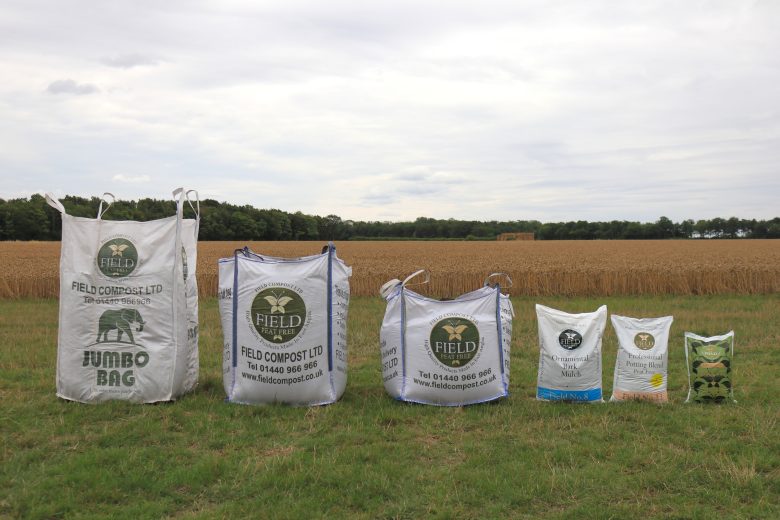
Field Compost has several mulching products, each made for different specific purposes. Browse all our mulch products or keep scrolling to see which mulches we recommend for summer.
Field Compost stock organic/biodegradable mulches, but mulches can also be inorganic/nonbiodegradable:
1.Organic
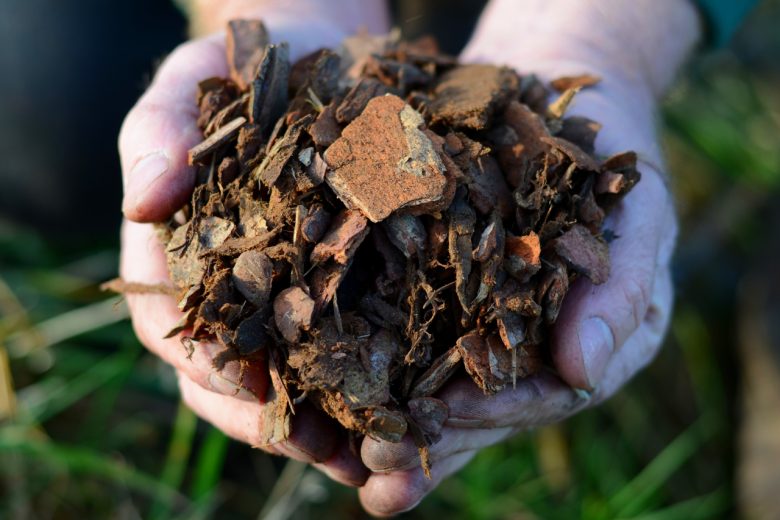
- Eg., bark chippings, homemade compost, shredded trees, straw, leaf mould, or grass clippings.
- These mulches are easier to maintain as they can be replaced by another layer when have rotted away.
- Organic mulches contain nutrients; as they decompose, they release these nutrients into the soil, acting as a slow-release plant food.
- Best for woodland gardens, borders, and around longer-term food crops (e.g., courgettes, strawberries, fruit bushes, and asparagus).Inorganic:
2. Inorganic
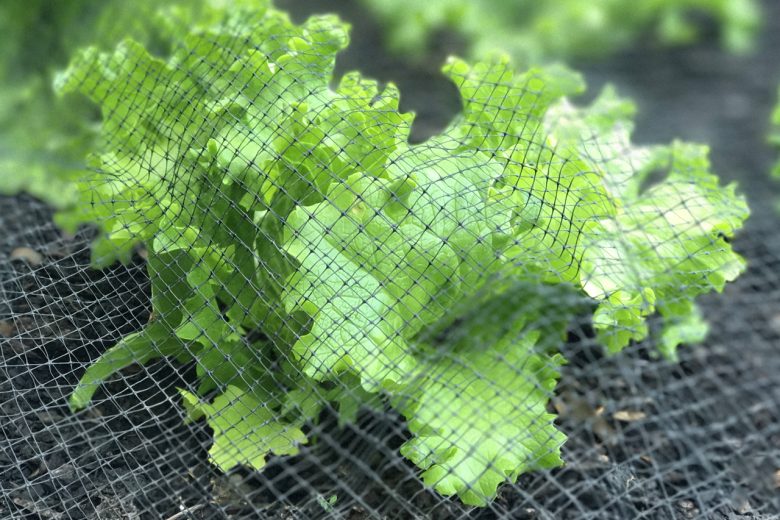
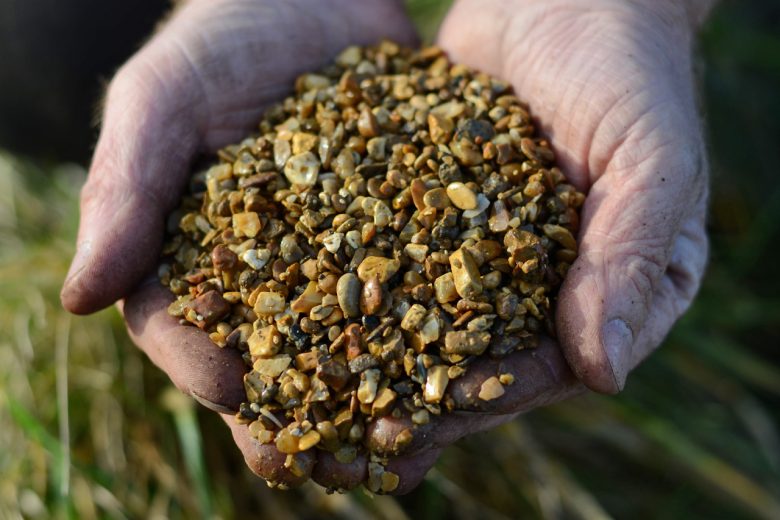
- Eg., shingle, gravel, slate chips, plastic sheeting, or landscaping fabric.
- It does not break down, but some products disintegrate and pollute the garden environment.
- Unlike the organic mulches, inorganic mulches do not add nutrients to the soil, and in some instances can stop nutrients from reaching the soil.
- But they can offer a long-term solution to weed suppression vs. organic mulches.
- Work best in dry mediterranean-style gardens.