

Order now for delivery before Christmas. Last delivery date: Dec 23rd!

December 2025: Gardening Tips and What to Plant

Posted on 1 December 2025

Happy December and Merry Christmas to those who celebrate – oh and a happy new year!

Thank you to all our customers for their support this year and we hope everyone has made good use of our products (if you liked our products, please leave a review on our Trustpilot page).

To sum up 2025: our biggest project this year was designing and launching our new website which we are very proud of! We also got our first location for our recycle scheme bins (RHN Plant Centre), and celebrated our 15th birthday! Our new greenhouse and beds in our yard have served us well, and meant we can grow lots of produce in our peat free composts and topsoil … that reminds me, I better start sowing for next year!! Scroll down to see which fruits, veg and flowers you can sow now!
Bit chilly? You can now have Roastie Toasties and Woodlets Briquettes wood fuel delivered to your door along with your soil! Just add them to your order at checkout.

Top Jobs:

  • Winter protection: protect your plants from the frost, icy winds and rain by mulching, staking plants, tying trees and wrapping pots. Bring machinery and equipment indoors too.
  • Keep your garden tidy. December is a great time to tidy your garden, by raking up fallen leaves on the lawn or in the greenhouse, cutting back flowers, clearing debris, weeding and pruning.

More details below…

December gardening jobs include protecting plants against frost, rain and winds.

Protect your plants from frost by mulching and wrapping pots

General Garden Maintenance:

  • Put out fresh water for birds every day during frosty weather.
  • Bring your watering equipment indoors, e.g., hoses and sprinklers, so they don’t freeze and split.
  • Protect terracotta pots from cracking in the freezing weather by bringing indoors or wrapping in bubble polythene or fleece.
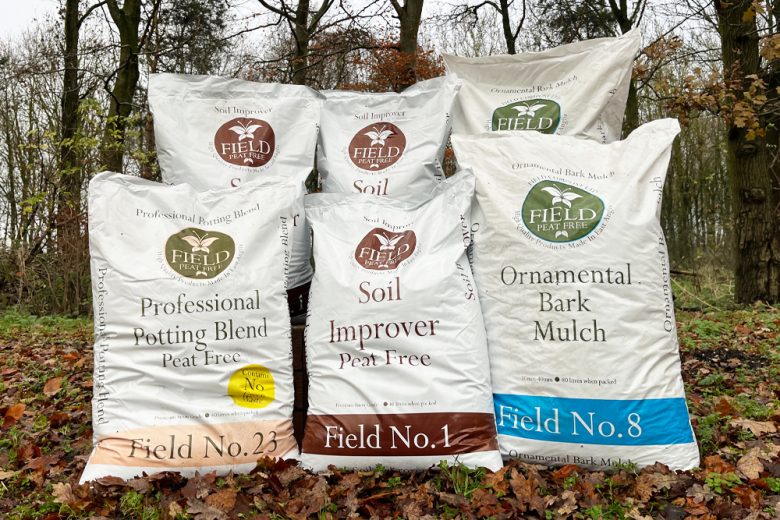
  • Check that your winter protection structures are still securely in place; improve any shelters, stake plants, wrapping pots, or mulching. Our Field No.1 Organic Soil Improver will help insulate the soil, protects roots from frost, and prevents the soil from being washed away by harsh rain and winds.
  • Plan ahead and improve the drainage of heavy clay soils by working in plenty of organic matter, such as Field No.1 Organic Soil Improver. Spread 75-100mm on the surface of soils and let the worms incorporate the organic matter for you; this will help improve the soil’s structure.

Greenhouse:

  • Check that your greenhouse heaters are working properly. Do this by accurately monitoring the temperature with a maximum-minimum thermometer.
  • Pick up any faded leaves and dead flowers regularly from the plants overwintering in the greenhouse, e.g., pelargoniums. And clear leaves and twigs from the gutters of greenhouses and sheds.
  • Ensure that there is adequate ventilation in your greenhouse or conservatory; consider opening vents for an hour or two on milder days to encourage air circulation.
December gardening jobs include cleaning and tidying your greenhouse and ventilating greenhouses on warm days.

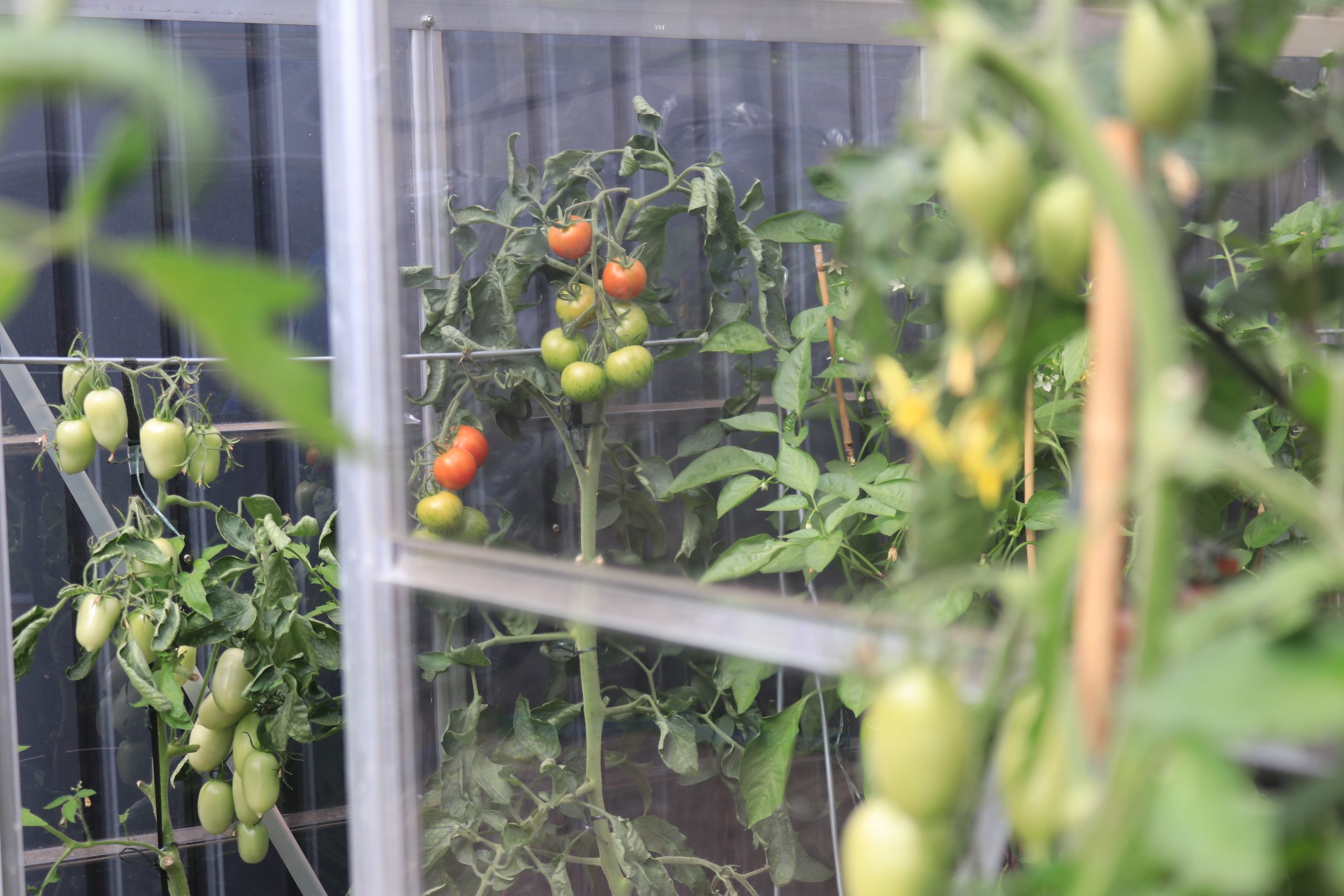
Missing when our greenhouse looked like this…

Houseplants:

  • Reduce the watering of houseplants as temperatures drop. Use tepid room-temperature water when watering, as cold water will shock roots and tress the plant.
  • Move houseplants to lighter spots like a sunny windowsill over winter, so they can get as much sunlight as possible during shorter days. But keep them away from condensation on windows, and move off cold windowsills at night.
  • Cacti and succulents need a period of relative dormancy over winter; keep them barely moist and do not feed.

Lawns:

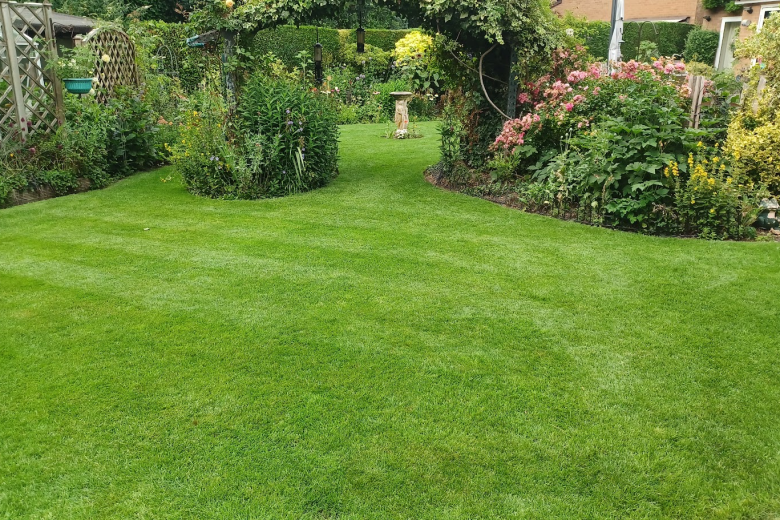
  • Rake up any remaining fallen leaves on the lawn, this is to ensure that they do not smother the grass and block out any sunlight or moisture. Rotary lawnmowers are great for picking up leaves; start with the mower on a higher setting to simultaneously collect and mulch the leaves. Then, lower the height to give your garden a final trim.
  • Look out for waterlogging on your lawn after winter rain. To improve drainage, spike the lawn with an aerator or a garden fork, and brush in a mix of sand and loam into holes. Field 5 High Quality Fine Grade Topsoil is a finely graded blend of sandy loam topsoil and composted organic material, so is perfect for this if your lawn has not already been aerated during the autumn maintenance programme.

Flowers:

Jobs:

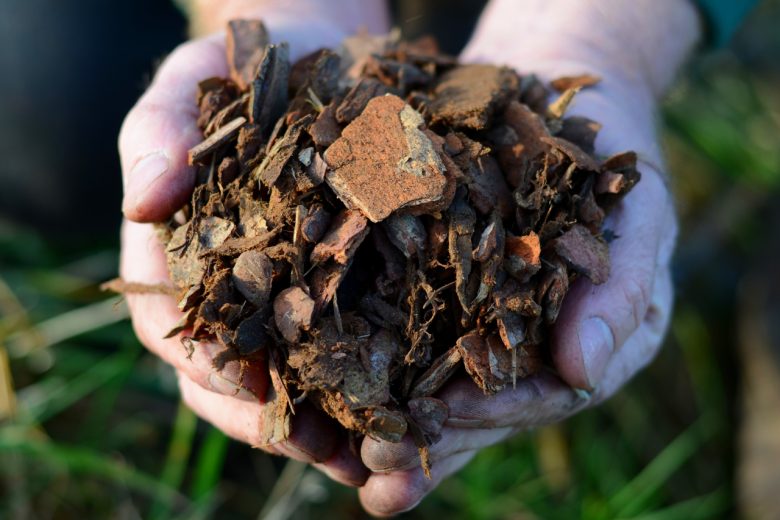
  • Keep tubs and containers tidy by cutting back and removing debris regularly and mulch with Field No.11 Pot Mulch – an aesthetic bark mulch for pots and containers.
  • Continue to cut back herbaceous perennials and add to compost heaps or leave out until spring so they can be used as winter homes for insects.
  • Raise patio containers onto feet or bricks to avoid them sitting in water and getting waterlogged.


To Plant:

Sowing early can result in earlier flowers and can extend the season of flowering; sow now and then again in spring.

Use Field No.23 Professional Potting Blend compost.

  • Sweet peas. Sow indoors, ideally in containers.
  • These can be sown under glass in winter, in a bright spot. A heated propagator will help warm the soil when sowing.
  • Ideally sow on the surface of Field No.23, and in a heated propagator and a bright spot out of direct sunlight.
  • Hardy cyclamens.
  • Snapdragons.

Fruit & Veg:

Jobs:

  • Tidy up raspberry and blackberry beds; weed and mulch with Field No.24 Ericaceous Soil Improver. This is the perfect for mulching soft fruit as it will not increase the soil PH.
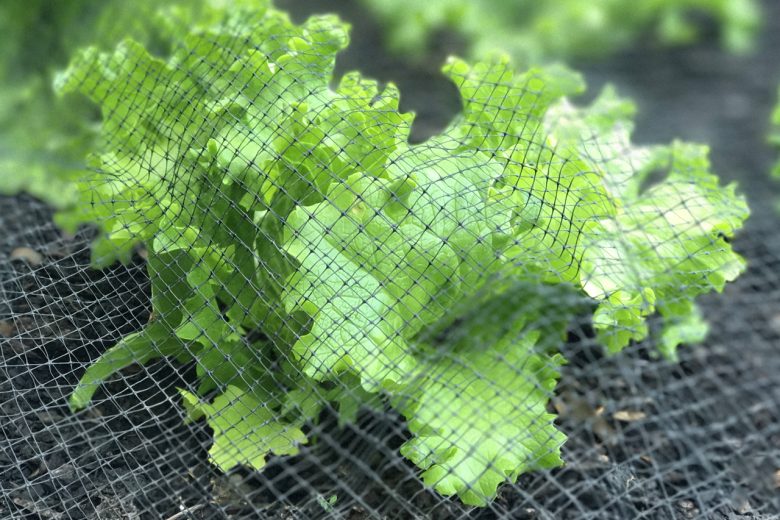
  • Keep kale, winter cabbages and other brassicas covered with netting to protect from hungry pigeons.
  • Keep clearing old crops and debris from the veg plot, but only compost healthy material to avoid the spread of diseases.


To Plant:

  • Plant thornless blackberries, e.g., ‘Loch Ness’ for easy pickings of large and sweet fruits. Use Field No.1 Soil Improver to mulch.
  • Broad beans. Sow now for a crop as early as May. Sow directly outdoors if the conditions are mild.
  • Choose seeds rather than sets and start off in pots indoors or undercover to aid germination. Use Field No.23 Potting Blend compost.
  • If you live in mild regions, you can plant garlic sets outdoors in well-drained soil. Use Field No.1 to mulch over planted sets.
  • Lettuce, e.g., winter gem, is specially bred for its ability to grow at low temperatures and provide a harvest. Use Field No.23 when sowing.
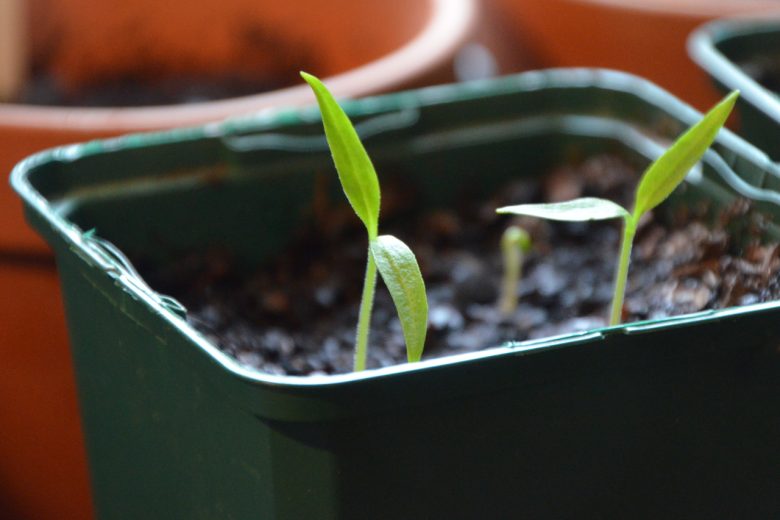
  • Chilli peppers and aubergines. Both can be sown anytime of the year, but you will need a heated propagator or grow lamp to give them a good start. Sow in Field No.23.

Trees & Shrubs:

Jobs:

  • The pruning and renovation of many deciduous trees, shrubs, and hedges can be carried out throughout this dormant season. Winter is the perfect time for pruning as it is easier to see what you are doing now that branches have no leaves.
    • Prune large fruit trees, e.g., apple and pears (but not those trained against walls). This is to control the shape and size, and to increase productivity.
  • As cold winds and frost can loosen and lift roots, you should protect newly planted trees, hedges and shrubs by mulching using our No.1 Soil Improver. Protect branches too by covering them with fleece.
  • Check tree ties and stakes are firm enough to stand against harsh winds and winter storms; replace, tighten, or remove as necessary.

To Plant:

  • You can still plant and transplant deciduous trees and shrubs; use Field No.1 or Field No.16 Tree and Shrub Soil Improver mixed with the spoil from the planting pit. Choose bare-root shrubs like roses and ornamental trees.
  • Plant fragrant winter shrubs in pots (Fill with Field No.23) on your doorstep, e.g., chimonanthus, sarcococca or daphne odora.

Note to self: add knitted red jumper to my Christmas list this year

Customer reviews


Join the Compost Club for discounts & tips